


October 18, 2026 / Dental Implants
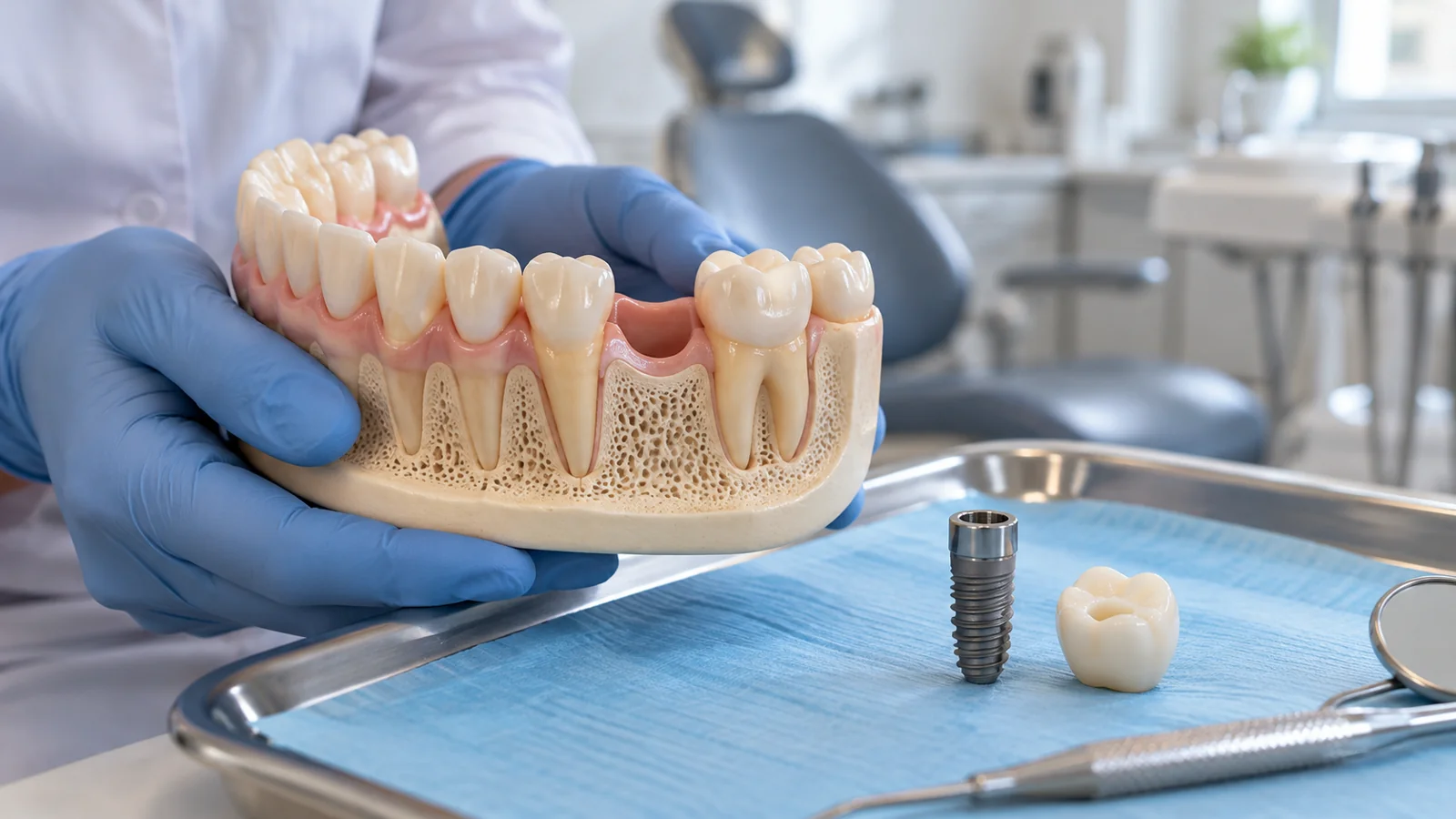
It may still be possible to get a dental implant years after losing a tooth. Time alone does not decide whether an implant is suitable. A dentist needs to examine the current bone, gums, available space, bite and medical factors before recommending a plan.
Perhaps the tooth was removed when other expenses took priority, or the gap was far enough back that you learned to live with it. Now chewing feels different, an older denture needs attention or you would like to revisit your choices. An assessment can establish what is possible today without assuming that an earlier opportunity has permanently passed.
King Street Dentistry provides information about dental implants in Cambridge. For a long-standing gap, the useful starting question is not simply how many years have passed. It is what the area looks like now and what you want a replacement to help you do.
Waiting does not automatically rule out an implant, but it can change the planning involved. There is no universal deadline after which every patient becomes unsuitable, and no number of years that guarantees treatment will be straightforward.
The Canadian Dental Association’s implant guidance identifies general health, healthy gums and sufficient bone as important considerations. These need to be evaluated in the present, rather than inferred from the date of an extraction.
Bring any details you have about why the tooth was lost and whether treatment was recommended at the time. An old treatment plan can be useful background, but it should not be treated as a current diagnosis or quote. Your mouth, medical history and priorities may all have changed.
You also do not need to know in advance whether you want surgery. An initial conversation can compare reasonable options and explain what further information is needed. If you have avoided asking because you expect to be told you waited too long, a current assessment is a better basis for a decision than that assumption.
The space left by a missing tooth can change over time. Nearby teeth may move, and the bone and gum contour in the area may no longer be the same as immediately after extraction. The extent of those changes varies.
The ADA’s overview of missing teeth explains that tooth loss can affect chewing and the position of remaining teeth. In an implant assessment, the dentist checks whether there is suitable room for both the implant and the visible replacement tooth.
A space that looks wide enough from above may not tell the whole story about the roots beside it or the bite from the opposing teeth. Likewise, being able to chew around a gap does not confirm that the site is ready for an implant. Examination and appropriate imaging answer different questions from a photograph.
Tell the dentist about practical changes you have noticed: food collecting in the gap, avoiding one side, a removable appliance feeling different or teeth no longer meeting as they once did. These details help define the problem you want solved. They do not prove that tooth movement or bone change is the cause, but they give the assessment a useful focus.
An implant assessment reviews the proposed site and the rest of the mouth, along with your health history and expectations. The aim is to decide whether a replacement can be planned in a position that supports function, cleaning and an appropriate appearance.
The discussion may cover:
Bring a current medication list and disclose relevant treatment history, even if it seems unrelated to dentistry. The clinician can decide which details affect care. Do not stop medication on your own because you are considering an implant.
Ask which images are needed and what they will help establish. If records are available from another office, ask about transferring them, while understanding that new information may still be necessary. A useful consultation should explain both the findings already available and any uncertainties that must be resolved before treatment can be offered.
Additional care may be considered if the present site or surrounding mouth needs preparation before an implant is appropriate. The need comes from the findings, not automatically from having waited several years.
For some people, this means addressing gum disease or another active dental problem first. In other cases, limited bone or changes in tooth position may lead to a discussion about additional procedures or a different replacement option. Bone grafting is a possibility in selected situations, not a requirement for everyone with an old gap.
Ask what each proposed step is intended to achieve and whether it changes the expected risks, cost or sequence. If a graft or referral is suggested, find out what will determine whether the next stage can proceed. Preparation does not guarantee that every person will ultimately be suitable for an implant.
King Street’s article on implant timing options provides background on different approaches. For your own plan, ask the dentist to explain the timing based on your current site rather than a “same-day” label. An old extraction site and a newly removed tooth present different planning questions.
The FDA’s patient information on dental implants also emphasizes discussing benefits and risks before choosing treatment. Healing problems, infection and other complications are possible. Ask which risks are most relevant to you and how they affect the recommendation.
An implant is one replacement option; a bridge or removable denture may also be worth discussing. The comparison should reflect your remaining teeth, preferences and clinical findings rather than treat one choice as best for everyone.
A conventional bridge uses support from nearby teeth, while a removable partial denture can replace missing teeth with an appliance taken out for cleaning. An implant-supported replacement relies on implants placed in the jaw. The appropriate design depends on the number and location of the missing teeth and the condition of the surrounding mouth.
King Street’s comparison of dental implants versus dentures can help you prepare questions. At the appointment, go beyond appearance: ask how each option would affect chewing, cleaning, neighbouring teeth, maintenance and future repair or replacement.
If you have used a denture for years, explain what works and what does not. You may value being able to remove it, or you may be hoping for a fixed option. If surgery is something you would prefer to avoid, say so. A plan should account for those preferences while being honest about the choices your examination supports.
Ask for a plan that separates assessment, any preparatory care and the final replacement. This makes it easier to understand what you are deciding now and which decisions depend on later findings.
Useful questions include:
If you are planning around work, travel or a major event, mention the date without assuming treatment can fit it. Ask which parts of the schedule depend on healing and when a reliable estimate of the overall timeline can be given. It is also worth asking who will handle each stage and whom to contact if a problem arises between visits.
There is no single deadline that applies to everyone. Waiting can affect the site, but current findings determine the options. An assessment can help you understand the consequences of further delay as well.
No. The dentist needs to assess the bone at the proposed implant position. Some people may need additional bone-related treatment, while others may not; years since extraction cannot answer that on their behalf.
They can. The dentist checks the current positions and available space rather than assuming movement has occurred or that it prevents replacement. Ask whether any change affects your particular plan.
Potentially, yes. Several missing teeth can be addressed with different designs, including implant-supported or other replacements. The number of missing teeth does not automatically equal the number of implants needed.
Ask about other ways to manage the gap and the trade-offs of each. A bridge, removable replacement or another individualized plan may be considered. You should still leave with an explanation of your options.
To revisit a long-standing missing tooth, contact King Street Dentistry at 1515 King Street East, Unit 109, in Cambridge. Describe how long the gap has been present and what you would like to improve. A current assessment can help you decide what to do next.

Your neighbourhood dental clinic
serving the Cambridge and Preston
community — King Street Dentistry, where
your oral health is our top priority!
1515 King Street East, Suite 109
Cambridge, ON, N3H 3R6
519-219-6363
519-219-0051
info@kingstreetdentistry.ca


