


July 23, 2026 / Dentistry
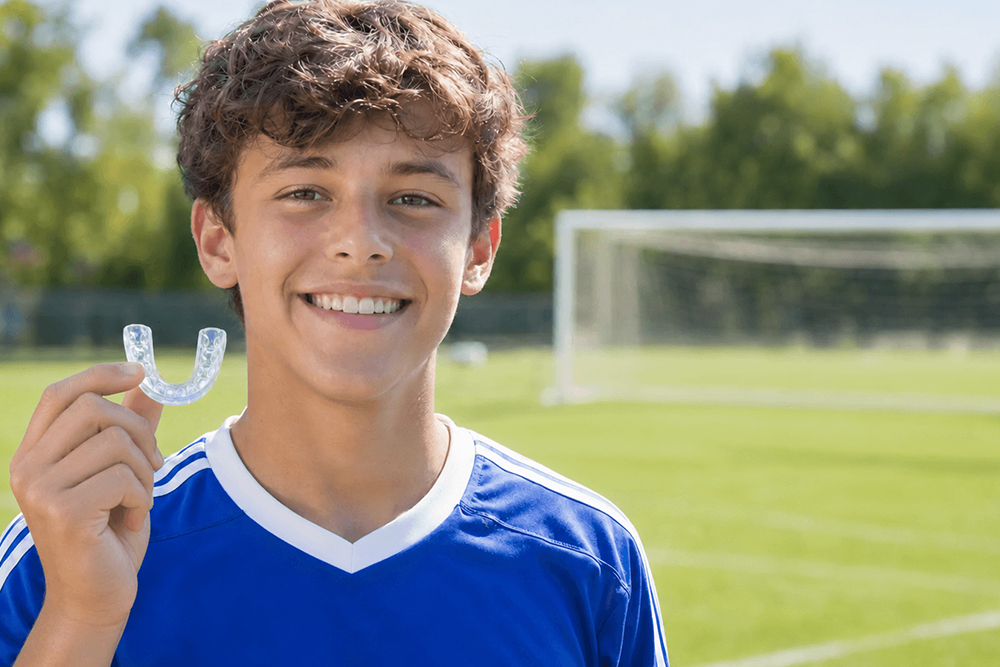
Sports give children, teens, and adults a chance to stay active, build confidence, and enjoy being part of a team. They can also involve unexpected contact, falls, or fast-moving equipment. Even a routine practice can lead to an accidental impact involving the teeth, lips, cheeks, or jaw.
A properly fitted sports mouthguard creates a protective layer over the teeth and may help reduce the risk or severity of certain dental injuries. King Street Dentistry offers custom sports mouthguards designed to fit an athlete’s individual smile.
Mouthguards are commonly associated with contact sports such as hockey, football, rugby, lacrosse, boxing, and martial arts. However, contact between players is not the only way a dental injury can happen.
A fall from a bicycle, an accidental elbow during basketball, or a ball travelling toward the face can also put an athlete’s teeth at risk. Mouthguards may therefore be worth considering for various school, recreational, and competitive activities.
Depending on the sport, a mouthguard may help protect against:
No mouthguard can prevent every injury. Its purpose is to provide an added layer of protection when an impact occurs. Wearing one consistently during practices and games is also important.
Parents can ask a dentist whether a mouthguard is appropriate for their child’s sport, especially when the activity includes physical contact, falls, sticks, balls, or other equipment. Adult recreational athletes may benefit from the same conversation.
Store-bought mouthguards generally include stock and boil-and-bite options. Stock mouthguards come in predetermined sizes, while boil-and-bite products soften in hot water so the wearer can shape them around the teeth.
These products may be convenient, but their fit can vary. If a mouthguard feels bulky, shifts during movement, or requires constant biting to remain in place, an athlete may be less likely to wear it consistently. It may also interfere with comfortable speaking or breathing.
A custom mouthguard is fitted according to the athlete’s individual mouth. The closer fit may provide:
The best option depends on the athlete’s age, sport, dental development, and individual needs. A custom fit does not mean that all injuries will be prevented. The goal is to create a mouthguard that is comfortable enough to wear as directed while providing an appropriate protective barrier.
Families interested in a custom mouthguard for sports can ask King Street Dentistry about the available options and current special.
Children and teens who participate in organized sports are often the first group parents think about. However, mouthguards may also be useful for school athletics, recreational programs, training sessions, and informal activities.
A sports mouthguard may be worth discussing for:
Young athletes’ mouths continue to change as baby teeth are lost and permanent teeth emerge. Their mouthguards should be checked regularly to ensure they still fit properly.
Athletes with braces have additional considerations. A mouthguard must accommodate their orthodontic appliances and changes in tooth position. Patients with braces should ask their dentist or orthodontic provider what type of mouthguard is appropriate.
During visits for family dentistry in Cambridge, parents and athletes can discuss their sports activities and ask whether a current mouthguard still meets their needs.
The process begins with a dental assessment. The dentist can examine the athlete’s teeth, gums, bite, dental development, and existing dental work. This is also a good time to mention the sport being played, how often the athlete participates, and whether braces or other appliances are present.
The dental team then gathers the information needed to create a mouthguard fitted to the athlete’s teeth. The exact method may vary according to the patient’s needs and the clinic’s process. Once the mouthguard is ready, its fit can be reviewed and the athlete can receive instructions for wearing, cleaning, and storing it.
This individual approach is one of the main differences between a custom dental mouthguard and a product selected by size from a store shelf.
The mouthguard should fit securely without requiring continuous clenching. Any uncomfortable pressure, looseness, or difficulty wearing it should be discussed with the dental team.
Fit should also be reviewed over time. Children’s mouths develop, while adults may undergo dental treatment that changes how an existing mouthguard sits. Bringing it to routine dental appointments allows the dentist to look for wear, damage, or changes in fit.
Sports equipment can become a significant expense for families, particularly when more than one child plays. King Street Dentistry’s Special Offers page currently advertises the Tooth Fairy sports mouthguard special: a custom mouthguard for $50 per child, with the discount extended to the whole team.
This may be helpful for Cambridge and Preston families preparing for a school season, recreational league, or local team activity. Coaches and parents may also wish to ask about the offer when several young athletes need mouthguards.
Because promotions can change, families should confirm the special’s current availability and terms when booking. The dental team can determine whether a custom mouthguard is appropriate following an assessment. The offer should not be taken as a guarantee of eligibility, appointment availability, or a specific turnaround time.
Cleaning and storing a mouthguard properly can help keep it fresh and in usable condition.
After each practice or game, rinse it thoroughly with cool or lukewarm water and follow any cleaning directions provided by the dental team. Let it dry before placing it in its case.
Use a ventilated protective case when transporting or storing the mouthguard. This keeps it separate from dirty sports equipment and reduces the chance that it will be crushed inside a bag.
Keep it away from hot water, direct sunlight, hot car interiors, and other sources of heat. High temperatures can alter its shape and affect the fit. Athletes should also avoid chewing on it.
Check the mouthguard regularly for:
Bring the mouthguard to routine dental appointments so the dental team can examine its condition. It may require replacement when it becomes damaged, worn, difficult to clean, or too small for a growing athlete.
Mouthguards are commonly considered for contact sports, but they may also be useful during activities where a player could fall, collide with someone, or be struck by equipment. Examples include hockey, football, rugby, lacrosse, basketball, soccer, baseball, martial arts, skateboarding, and cycling.
Requirements differ between sports and leagues. Families should review their program’s rules and ask a dentist about protection based on the athlete’s activities and dental needs.
A custom mouthguard is fitted to the individual athlete’s mouth, which may provide improved comfort, stability, and wearability compared with a stock or boil-and-bite product. A secure fit may make it easier to wear the mouthguard consistently during practices and games.
No option can prevent every injury. A dentist can help patients compare their choices based on their age, sport, and smile.
Children and teens with braces may still be able to wear sports mouthguards, but they need an option that accounts for their orthodontic appliances and ongoing tooth movement. Parents should speak with the child’s dentist or orthodontic provider before choosing one.
The fit may require more frequent review as treatment progresses. An old mouthguard should not be forced over braces if it has become tight or uncomfortable.
There is no single replacement schedule for every athlete. How long a mouthguard remains suitable depends on growth, dental changes, frequency of use, care, and its condition.
Growing children and teens may need replacements more frequently. Any athlete should have a mouthguard checked if it becomes loose, tight, damaged, worn, or uncomfortable. It should also be reassessed following dental treatment that may affect its fit.
A comfortable custom mouthguard may help protect the teeth and surrounding tissues while making it easier for an athlete to keep it in place during practices and games.
King Street Dentistry serves Cambridge and Preston families from 1515 King Street East, Suite 109, Cambridge, Ontario. Parents, teen athletes, adult recreational players, and local teams can contact King Street Dentistry to ask about custom sports mouthguards and confirm whether the Tooth Fairy sports mouthguard special is currently available.

Your neighbourhood dental clinic
serving the Cambridge and Preston
community — King Street Dentistry, where
your oral health is our top priority!
1515 King Street East, Suite 109
Cambridge, ON, N3H 3R6
519-219-6363
519-219-0051
info@kingstreetdentistry.ca


